
black arch mirror bathroom
Understanding Insulated Glass Prices Factors and Trends Insulated glass, widely used in both residential and commercial buildings for its energy efficiency and sound insulation properties, has gained substantial attention in recent years. With rising energy costs and an increasing focus on sustainable building practices, understanding the factors that influence insulated glass prices is essential for contractors, architects, and homeowners alike. What is Insulated Glass? Insulated glass, also known as double or triple glazing, comprises two or more glass panes separated by a spacer and filled with an inert gas, such as argon or krypton. This design creates a barrier that reduces heat transfer, improving energy efficiency and comfort within a space. The benefits of insulated glass include enhanced thermal insulation, reduced noise levels, and decreased condensation, making it a popular choice for modern buildings. Key Factors Influencing Prices 1. Type of Glass The type and quality of glass significantly impact the price. Standard clear glass is generally more affordable, while specialty glass, such as low-emissivity (Low-E) glass, which has coatings to reduce heat transfer, tends to be pricier. Laminated glass, which offers additional security and soundproofing, can also elevate costs. 2. Thickness and Configuration Insulated glass units come in various thicknesses and configurations, including double and triple glazing. Thicker glass and additional panes increase material costs, as do more complex configurations that enhance performance. 3. Size of the Unit Custom-sized insulated glass units will typically cost more than standard sizes due to increased manufacturing and shipping requirements. Larger units also require additional handling and installation considerations, contributing to higher labor costs. insulated glass prices 4. Spacer Technology The spacers used between glass panes play a critical role in the performance of insulated glass. Traditional aluminum spacers are effective but less energy-efficient than newer materials like warm-edge spacers, which help minimize heat transfer. The choice of spacer technology can impact the overall price significantly. 5. Gas Filling The type of gas used to fill the space between the panes also affects the price. Argon is commonly used as a filling gas due to its affordability and effectiveness. However, krypton, while more expensive, offers superior thermal performance; this can lead to higher costs for units that use it. 6. Installation Costs The cost of installation is another critical factor in the overall price of insulated glass. Complex installations involving large or custom units may require specialized labor and equipment, increasing the overall expenses. Additionally, local labor costs can vary, influencing the final price. 7. Regulatory Standards Compliance with energy efficiency ratings and building codes can also affect prices. Standards like the Energy Star program and local energy codes may necessitate the use of particular performance-grade windows and glass types, which can be more expensive but provide long-term savings on energy bills. 8. Market Trends The demand and supply dynamics in the insulated glass market also influence pricing. For example, during peak construction seasons, prices may increase due to heightened demand. Global factors, such as the availability of raw materials and shipping costs, can also impact pricing trends. Conclusion Understanding insulated glass prices requires considering various factors, from the type of glass used to the complexities of installation. While the initial investment in insulated glass may be higher than that of regular single-pane alternatives, the long-term savings in energy costs and the benefits of enhanced comfort and sound insulation often justify the expenditure. Consumers should weigh their options carefully, consider the specific needs of their projects, and consult with professionals to make informed decisions. With a continually evolving market, staying updated on trends and innovations in insulated glass can also guide better purchasing choices, ensuring that investments pay off in the long run.
-
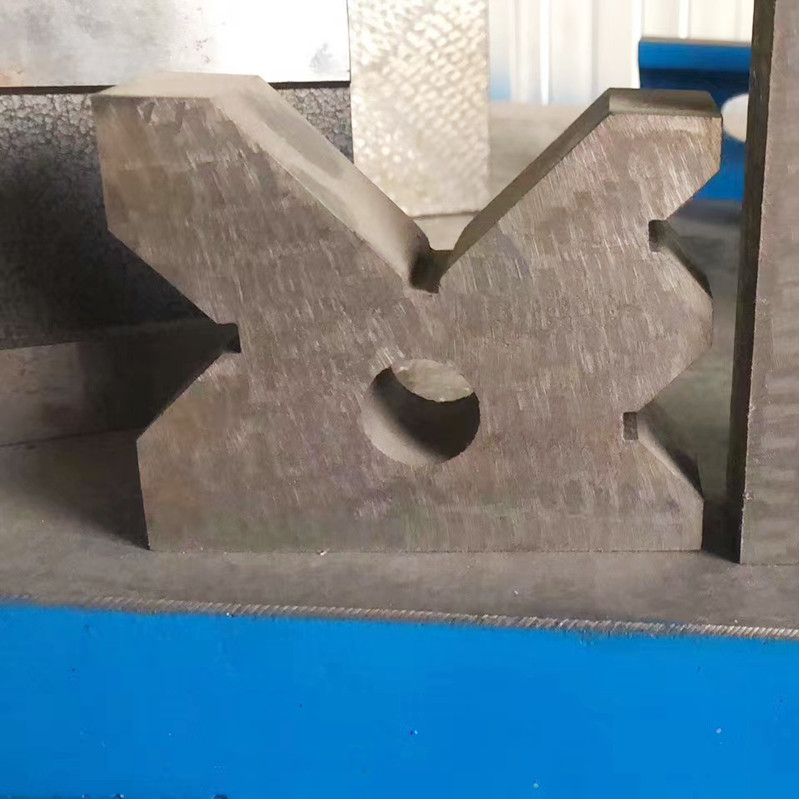
laminated safety glass for sale
laminated safety glass for sale
View Details -
full body vanity mirror
full body vanity mirror
View Details -

8mm table top glass price
8mm table top glass price
View Details -
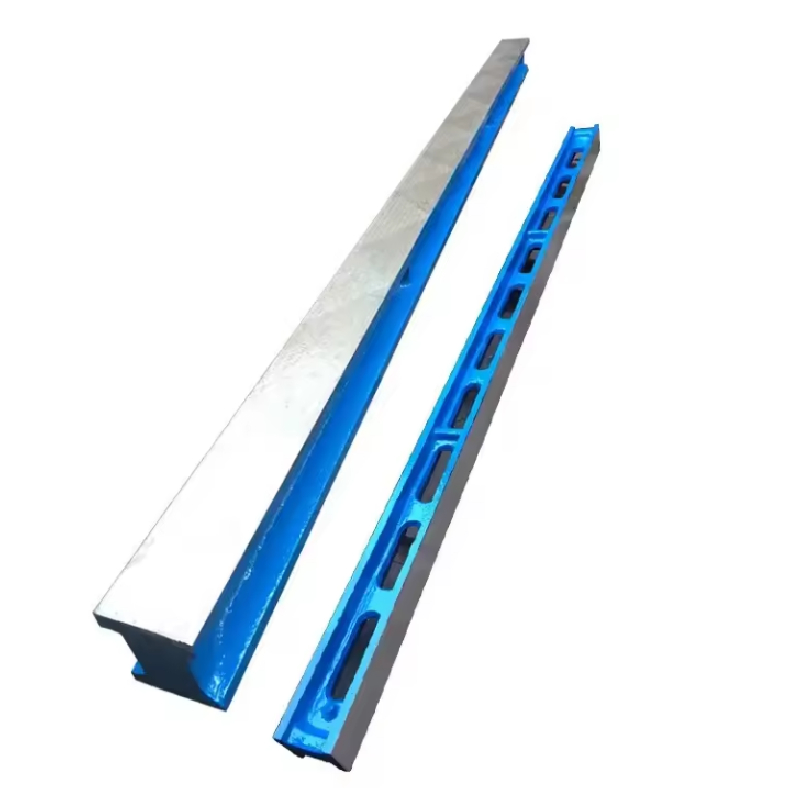
2mm mirror glass
2mm mirror glass
View Details -
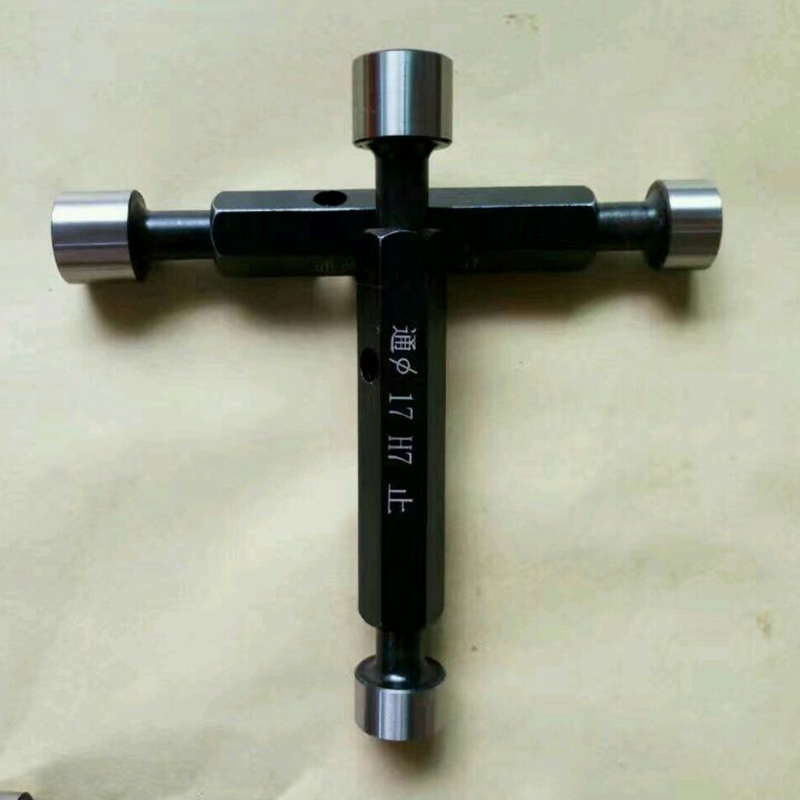
laminated glass wholesale
laminated glass wholesale
View Details
Our application
-
 read more
 -
 read more
 -
 read more
 -
 read more
 -
 read more
 -
 read more
news and information
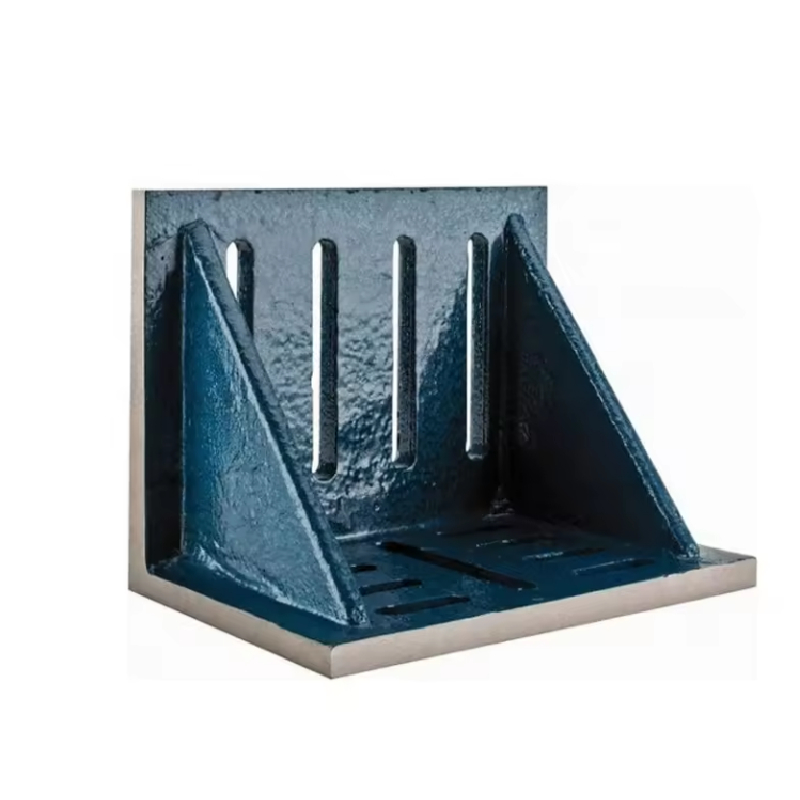
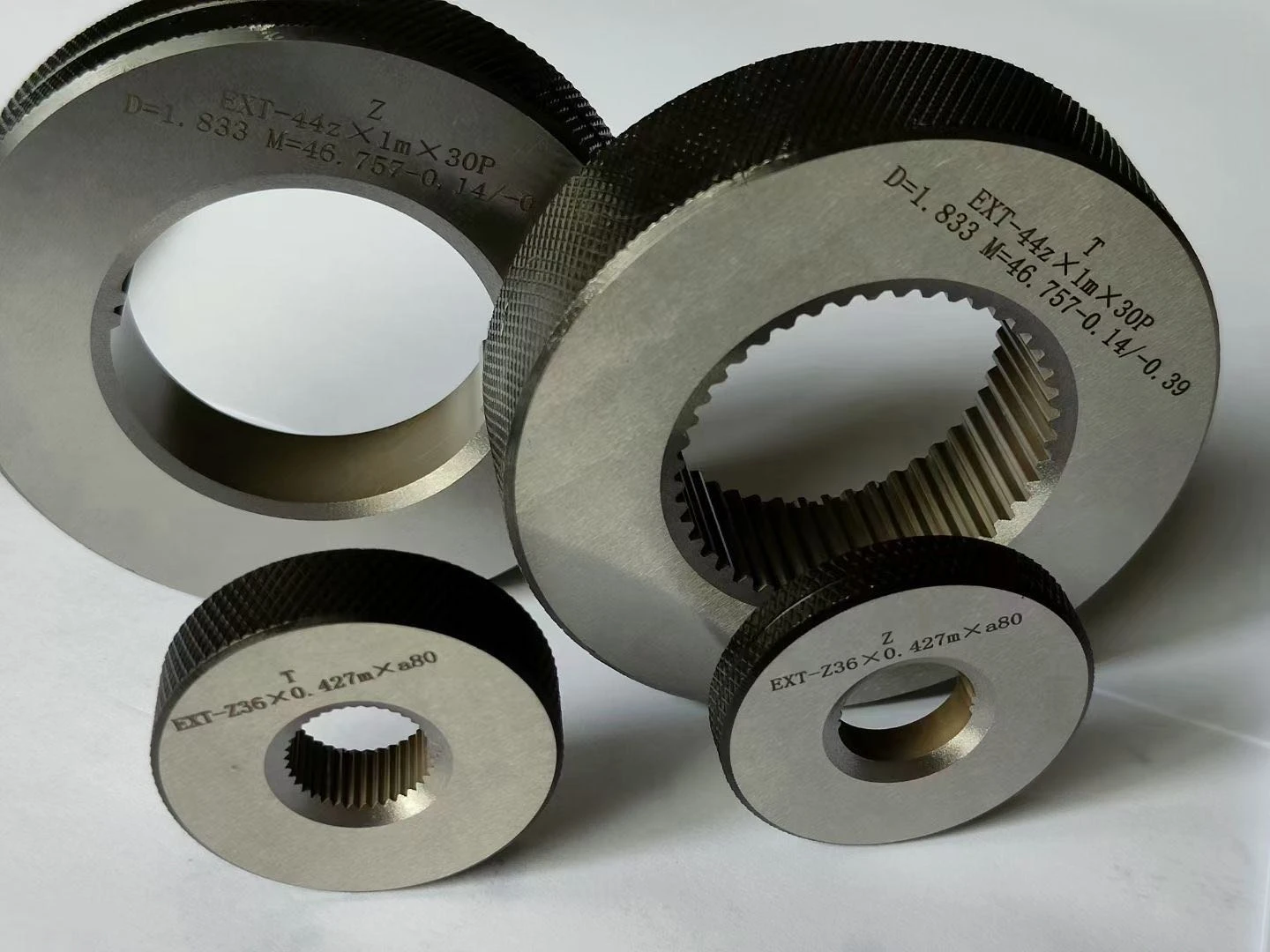
Using Ring Gauges for Precision Measurement and Quality Control in Industrial Applications
The Importance of Ring Gauges in Quality Control In the realm of manufacturing and engineering, prec
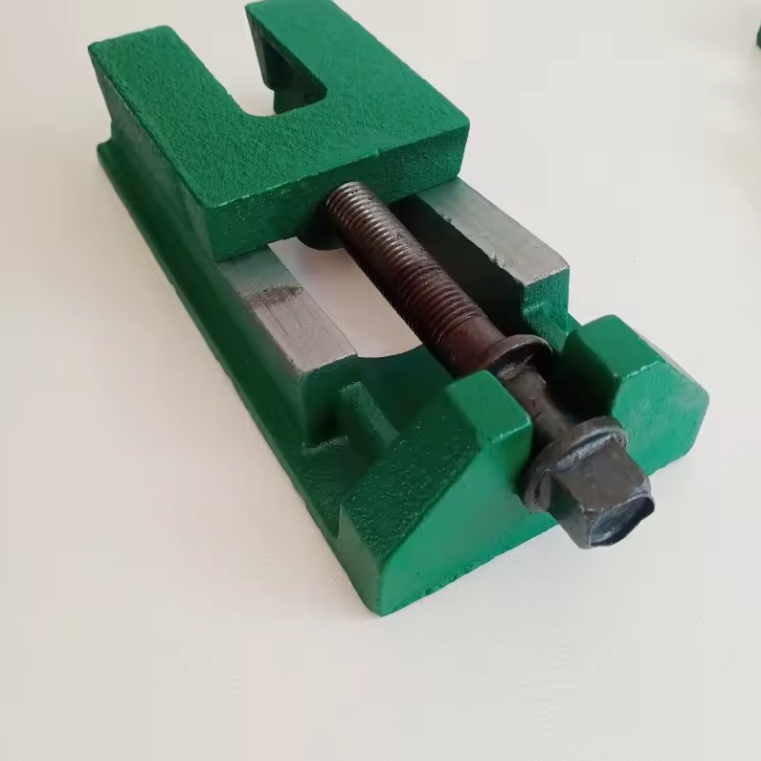
Verktyg för att mäta och utvärdera prestationer och framsteg
measuring tool .
Y Type Strainers_ A Comprehensive Guide
Y type strainers are crucial components in various piping systems, known for their ability to filter